SBI Card fuel and transport fee from 1 December 2026: the new 1% charges explained
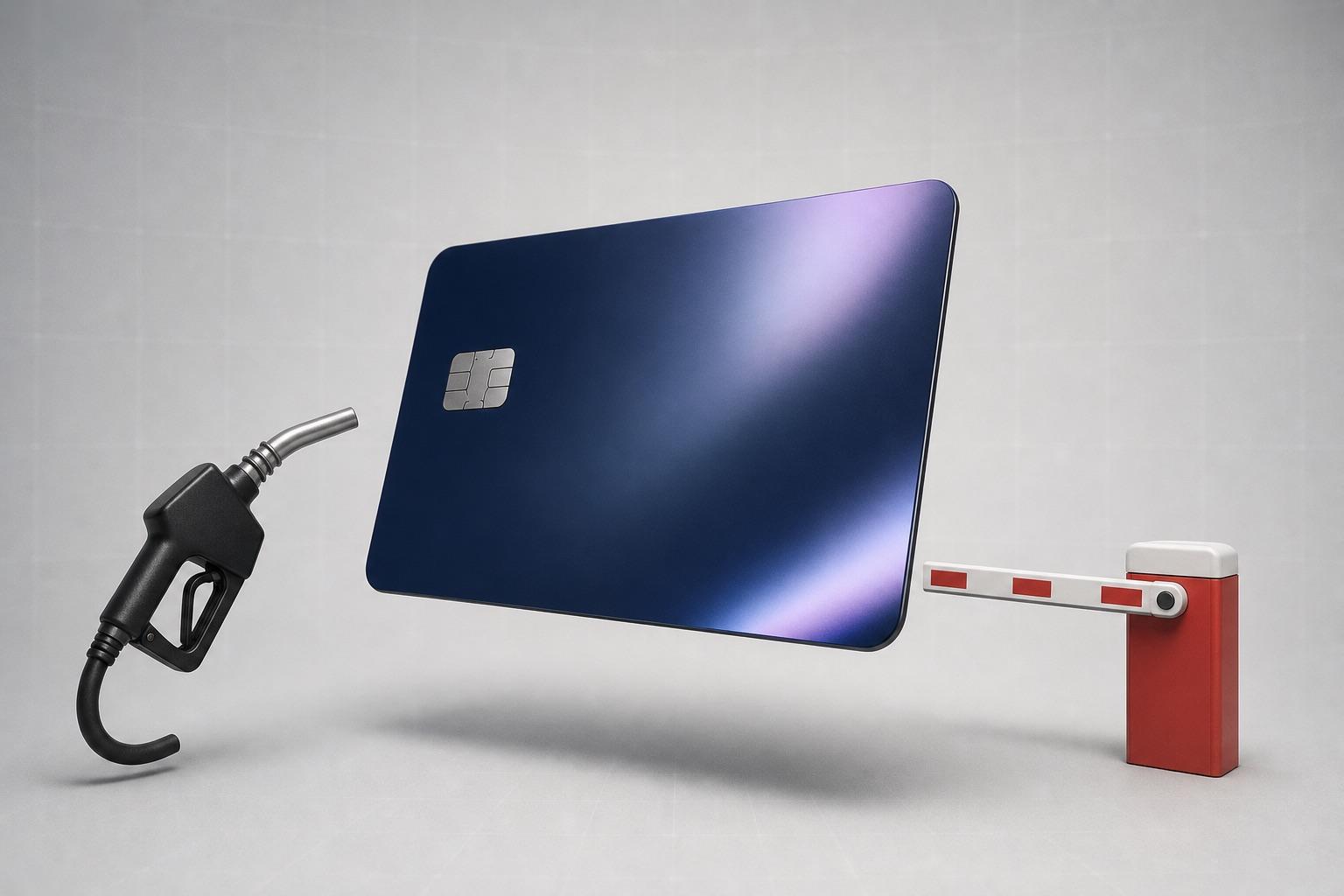
From 1 December 2026, SBI Card charges a 1% fee on any transportation transaction over ₹30,000 (MCC 4111, 4784, 4131) and a 1% fee on your entire fuel spend in a billing cycle once it crosses ₹50,000 (MCC 5172, 5541, 5542, 5983). Everyday fuel and travel spend stays under both limits.
Transcript
A quick heads-up if you hold an SBI credit card. From the first of December 2026, SBI Card is adding two new fees, both at one percent. The first is on transportation. Any single transaction above thirty thousand rupees at merchants coded as commuter transport, tolls and bridges, or bus lines will carry a one percent fee on the transaction amount. Think large toll or FASTag top-ups, metro card loads, and bus operator payments. Flights and train tickets sit under different merchant codes, so this fee does not cover them. The second fee is on fuel. If all your fuel transactions in one billing cycle add up to more than fifty thousand rupees, one percent is charged on your entire fuel spend for that cycle, not just the part above the limit. For most people, nothing changes. A few tankfuls a month stay far below fifty thousand. It mainly affects fleet owners, heavy drivers, and anyone putting big toll recharges on one card. The simple fix: keep each transport payment under thirty thousand, keep fuel under fifty thousand per card per cycle, or spread it across cards. The fees start on the first of December 2026. The merchant codes and full details are in the written post on referro.
Key takeaways
- Starts 1 December 2026 on all SBI credit cards.
- Transport: 1% on any single transaction over ₹30,000 at commuter transport, toll and bus merchants.
- Fuel: 1% on the whole cycle’s fuel spend once it crosses ₹50,000, not just the excess.
- Flights, trains and cabs are not in the listed merchant codes.
- Stay under the limits per card, or split large spends across cards.
SBI Card has emailed cardholders about two new charges that apply to every SBI credit card from 1 December 2026. Both are 1% fees, both are triggered by spend thresholds, and both are decided by the merchant category code (MCC) the shop or service is registered under, not by what you think you bought. Here is what the notice says, what it leaves out, and what to do about it.
What changes on 1 December 2026
| Fee | When it applies | How much |
|---|---|---|
| Transportation fee | Any single transportation transaction over ₹30,000 | 1% of that transaction |
| Fuel fee | Total fuel transactions in one billing cycle over ₹50,000 | 1% of the whole cycle’s fuel spend |
The fuel fee is the one to read twice. It is not 1% on the amount above ₹50,000. Cross the line and SBI Card charges 1% on everything you spent on fuel that cycle. Spend ₹50,001 on fuel and the fee is about ₹500, not one paisa.
Which merchants count
SBI Card lists the MCCs, which is how the card network labels each merchant. The fee lands on the code, so a toll operator registered as “tolls and bridge fees” is in, while an airline is not.
- Transportation (MCC 4111, 4784, 4131): local and commuter passenger transport such as metro and suburban rail, tolls and bridge fees such as FASTag top-ups paid by card, and bus lines.
- Fuel (MCC 5172, 5541, 5542, 5983): petroleum products, service stations, automated fuel dispensers and fuel dealers. In practice, every petrol pump and most CNG stations.
Flights (airlines use their own MCCs), long-distance trains booked through IRCTC and cab apps are not on the list. The notice also says the networks can change the MCCs at any time without telling cardholders, so a merchant’s category can move under you.
Who this affects, and who it doesn’t
Most cardholders will never see either fee. Two or three tankfuls a month is ₹10,000 to ₹15,000, far under the fuel threshold, and a single metro or toll top-up over ₹30,000 is rare. The fees are aimed at people who were running large fuel or toll volumes through a rewards card:
- Fleet, taxi and logistics owners paying for several vehicles on one card.
- Heavy drivers whose monthly fuel crosses ₹50,000 on a single card.
- Anyone loading big toll or FASTag balances in one go, or paying bus operators in bulk.
This fee is separate from the usual 1% fuel surcharge that many SBI cards waive on transactions between ₹500 and ₹3,000. That waiver is unchanged by this notice; the new fee is an extra charge on top once you cross the cycle limit.
How to avoid the fees
- Keep fuel under ₹50,000 per card per billing cycle. If you run more than that, split it across two cards or move part of it to UPI or a debit card. The cycle is your statement period, not the calendar month.
- Keep each transport payment under ₹30,000. Top up FASTag or a metro card in smaller amounts, or pay the big ones another way.
- Check your statement in January 2027. The first bills with the new fees will be the ones covering December. If a charge looks wrong, SBI Card’s helpline is 1860 180 1290.
Is the card still worth it?
For everyday spend, yes. Nothing about the sign-up offer, the reward points or the fuel surcharge waiver has changed, and the thresholds are high enough that ordinary use never touches them. If you were about to apply, the current SBI Card referral offer still gives you a ₹500 Amazon voucher after your first transaction over ₹500.
Questions
Is the fuel fee charged only on the amount above ₹50,000?
No. Once your fuel transactions in a billing cycle total more than ₹50,000, SBI Card charges 1% on the total fuel spend for that cycle, from the first rupee.
Do flights and train tickets count as transportation?
Not under the listed codes. SBI Card names MCC 4111 (commuter transport), 4784 (tolls and bridges) and 4131 (bus lines). Airlines and IRCTC use different merchant codes.
Does this change the fuel surcharge waiver?
No. The notice adds a new 1% fee above ₹50,000 per cycle. The existing 1% fuel surcharge and its waiver on ₹500 to ₹3,000 transactions on eligible cards are not mentioned and are unchanged.
Which SBI credit cards does it apply to?
The notice was sent to cardholders generally and says the charges apply to your SBI Credit Card, with no card excluded. Check your card’s most important terms and conditions once they are updated.
When will I first see the fee on a statement?
On the statement that covers spends from 1 December 2026 onward, so for most people the bill generated in December 2026 or January 2027.
Can the merchant codes change?
Yes. SBI Card says the MCCs are set by the card networks and can change without notice to cardholders.
On the shelf
SBI Card referral codeThe current sign-up offer, the fine print and my code, last checked 22 Oct 2026.
Sources
- SBI Card cardholder email, “important update regarding your credit card”, received October 2026 · The fee table, thresholds and MCC lists above are quoted from it.
- SBI Card helpline · 1860 180 1290, or 39 02 02 02 with your local STD code.
Published 28 Oct 2026. Fees and offers change; check the official terms before you rely on this.